
The digital landscape has revolutionized numerous industries, and gambling is no exception. With the global online gambling market projected to reach staggering heights in the coming years, it’s clear that more and more people are enjoying the thrill of online casinos and sports betting from the comfort of their homes. However, this surge in popularity comes with undeniable risks. The anonymity and accessibility of the internet, while convenient, can also create opportunities for fraud, addiction, and other harmful behaviors.
Navigating the world of online gambling requires a proactive approach to safety and responsible gaming. It’s not just about luck; it’s about understanding the potential pitfalls and taking steps to protect yourself. This article serves as your guide with expert advice on how to engage in safe gambling practices, identify potential scams, and utilize resources to promote responsible gaming habits. Consider this your personal playbook for staying safe and in control while enjoying online gambling.
Understanding the Risks of Online Gambling
Online gambling, while offering convenience and entertainment, carries significant risks that individuals should be aware of. These risks range from financial pitfalls and the dangers of addiction to the threats posed by fraudulent operators and cybersecurity vulnerabilities. Understanding these potential downsides is crucial for making informed decisions and protecting oneself from harm.
Financial Risks and Overspending
The allure of quick wins can often lead to overspending and reckless betting. It’s easy to get caught up in the excitement and bet more than one can afford to lose. The accessibility of online platforms exacerbates this issue, blurring the lines between entertainment and financial ruin. Chasing losses, a common pitfall, only deepens the financial hole, turning a recreational activity into a debt spiral. One experience is when you’re having a bad day, and decide to throw $100 into a game knowing you shouldn’t. It is important to set a budget before gambling and stick to it, treating any losses as the cost of entertainment, not as a challenge to recoup. It is important to set clear boundaries and manage your funds responsibly.
Addiction and its Consequences
Gambling addiction is a serious concern that can have devastating consequences on one’s life and relationships. The anonymity and 24/7 availability of online casinos contribute to the development of addictive behaviors. Recognizing the warning signs, such as spending increasing amounts of time and money on gambling, neglecting responsibilities, and experiencing withdrawal symptoms when trying to stop, is crucial for early intervention. In some real world situations, witnessing friends struggle with gambling addiction can be a harsh wake-up call when a friend started withdrawing from social activities, constantly talking about bets, and borrowing money. You can speak to the person about it and encourage them to seek help. Self-exclusion programs offered by many online casinos can be a helpful tool, allowing individuals to voluntarily ban themselves from these platforms. If you notice any of these changes in behaviour in a person, consider speaking your thoughts and helping them find solutions.

How to Choose a Safe and Legitimate Online Casino
Checking for Licensing and Regulation
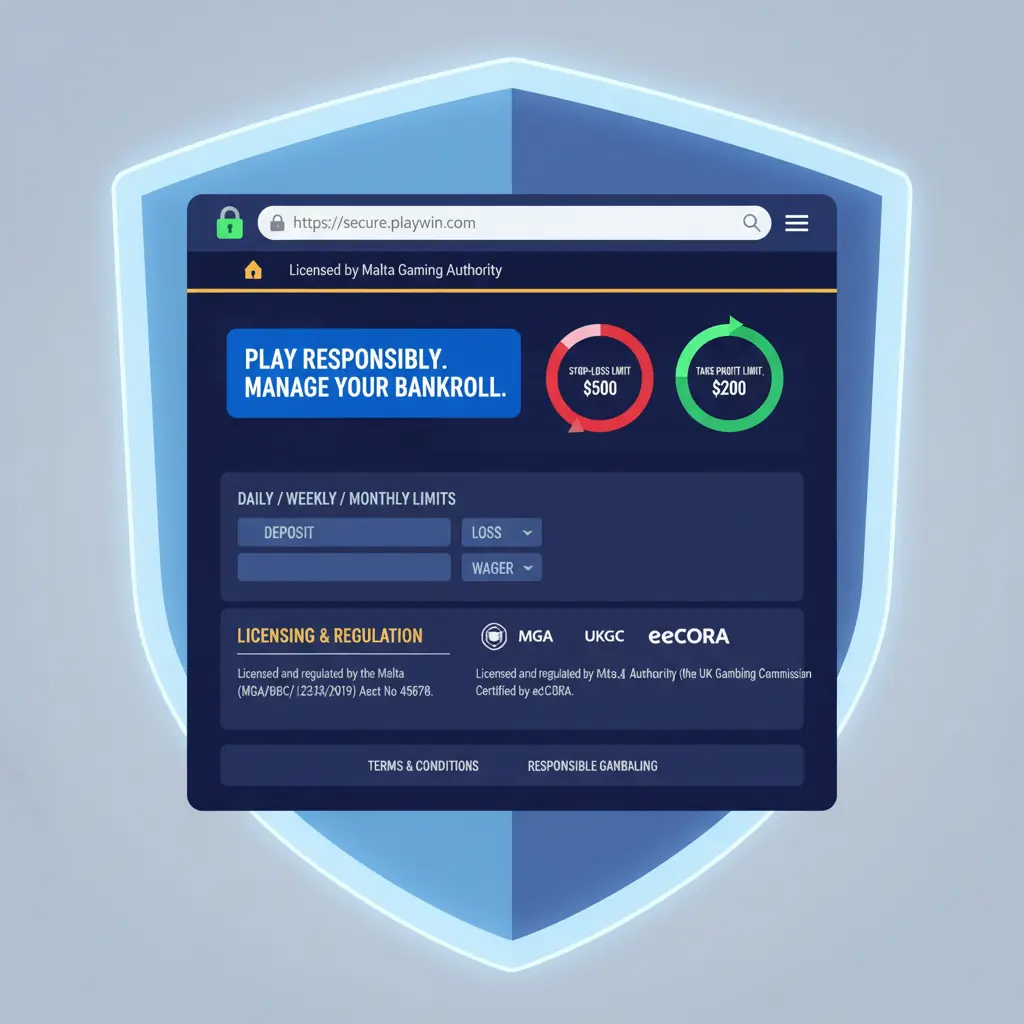
Navigating the world of online casinos can be exciting, but it’s crucial to ensure your chosen platform is safe and legitimate. The first step is verifying its licensing and regulation. Reputable online casinos operate under the watchful eye of recognized regulatory bodies. These bodies ensure fair play and protect players’ interests. Look for licenses from well-known Gambling Commissions such as the Malta Gaming Authority, the UK Gambling Commission, or the Curacao Gaming Control Board. These indicate that the casino adheres to strict standards and regulations. I always make sure to find the licensing information, which is usually at the bottom of the casino’s homepage. If you can’t find it easily, that’s a red flag. If the information is nowhere to be found, it is best to steer clear.
Assessing Security Measures (SSL Encryption, RNGs)
Beyond licensing, security measures are paramount. A legitimate online casino employs Secure Socket Layer (SSL) encryption to protect your personal and financial information. You can quickly check for SSL by looking for a padlock icon to the left of the website’s URL in your browser’s address bar. This indicates that your data is encrypted during transmission. Another critical aspect is the use of Random Number Generators (RNGs). RNGs are algorithms that ensure the outcomes of casino games are entirely random and unbiased. Without RNGs, games could be rigged, giving the house an unfair advantage. Reputable casinos often have their RNGs independently tested and certified by third-party organizations, further validating their fairness and reliability. Therefore I always ensure that these facts are checked and validated before creating accounts and depositing funds.
Managing Your Bankroll and Setting Limits
Smart bankroll management is the unsung hero of successful gambling. It’s not just about winning; it’s about playing the long game and protecting your resources. Think of your bankroll as your business capital – you wouldn’t recklessly invest all your funds without a plan, so why would you gamble without one? Responsible spending isn’t about being boring; it’s about staying in the game. It allows you to ride out the inevitable downswings and capitalize on opportunities when they arise. Properly learning to manage your gambling funds will pay off in the long run. Without a good budget, your money can disappear without even realizing it.
Setting a Budget and Sticking to It
Budget planning isn’t restrictive; it’s liberating! It gives you the freedom to enjoy gambling without the nagging worry of financial strain. Before you even think about placing a bet, decide how much you’re comfortable losing – and, crucially, stick to that number. Treat that amount as your entertainment budget for the period, just like you would for a concert or a night out. Money management starts with tracking your spending. Use a simple spreadsheet or budgeting app to monitor your wins and losses. This provides a clear picture of your gambling habits and helps you identify areas where you might be overspending. Only gamble with disposable income, never borrow money or dip into funds earmarked for essential expenses.
Stop-Loss and Take-Profit Limits
Stop-loss and take-profit limits are your automated safety nets in the gambling world. A stop-loss limit is the point at which you automatically cease gambling to prevent further losses. Once you reach your pre-determined loss threshold, walk away, no matter how tempting it is to chase your losses. Conversely, a take-profit limit is your target win amount. When you hit that target, cash out and celebrate your success! For example, you might set a stop-loss limit of $200 and a take-profit limit of $300. If you lose $200, you stop betting. If you win $300, you withdraw your winnings. These limits are designed to protect you from both devastating losses and the temptation to gamble away your winnings. They provide a framework for disciplined play and allow you to approach gambling with a clear, rational mindset. Set limits! It’s a key ingredient to succeed.
Protecting Your Personal and Financial Information
Navigating the world of online gambling can be thrilling, but it’s crucial to prioritize your online gambling security. The digital landscape is unfortunately rife with opportunities for fraud and identity theft, making robust protection essential. This means adopting proactive measures to safeguard your personal and financial data, ensuring a secure and enjoyable experience. Let’s explore some practical steps you can take to minimize your risk and stay one step ahead of potential threats.
Creating Strong Passwords and Using Two-Factor Authentication
In the realm of online security, passwords stand as the first line of defense. Avoid the common pitfall of password reuse. Using the same password across multiple platforms makes you vulnerable. Create strong, unique passwords for each of your online gambling accounts. A strong password should be a combination of uppercase and lowercase letters, numbers, and symbols. Make it memorable, but not obvious. Consider using a password manager to securely store and generate complex passwords. Furthermore, enable two-factor authentication (2FA) wherever possible. This adds an extra layer of security. When you enable it, you’ll need a code from your phone or email. This makes it much harder for hackers to access your accounts, even if they somehow obtain your password.
Recognizing and Avoiding Phishing Scams
Phishing scams are a prevalent threat in the online world, often disguised as legitimate communications. Cybercriminals use phishing to trick you into divulging sensitive information. Be wary of suspicious emails or messages asking for your personal or financial details. Pay close attention to the sender’s address, grammar, and overall tone. Phishing emails frequently contain urgent or threatening language to pressure you into acting quickly. Never click on links or download attachments from unknown or untrusted sources. Always access gambling sites directly by typing the web address into your browser. When in doubt, err on the side of caution and verify the communication through official channels. By staying vigilant and informed, you can significantly reduce your risk of falling victim to phishing scams.
Recognizing and Addressing Problem Gambling
Identifying Warning Signs
Gambling can be a fun pastime, but it can also become a problem. Recognizing the warning signs of gambling addiction is important for yourself and your loved ones.Addiction is often accompanied by denial. Addicts may minimize their losses, exaggerate their wins, or refuse to admit they have a problem. Withdrawal from family and friends is another common sign. They could lose interest in hobbies and activities they once enjoyed, and isolate themselves to gamble. They may also obsess over past gambling experiences, constantly replaying wins and losses in their minds.
Accessing Support Resources and Self-Exclusion
If you or someone you know is struggling with gambling addiction, remember that help is available. Self-exclusion programs allow individuals to ban themselves from gambling venues. These programs typically require filling out forms, providing identification, and sometimes including a photo. Organizations can help you with the process. GamCare, offers a range of support services, including a helpline, online chat, and counseling. If you need to speak to someone urgently you can visit the website or call them.
Staying Informed About the Legal Landscape
Navigating the world of online gambling requires staying informed about the ever-changing legal landscape. Online gambling laws vary drastically across the globe, and even within countries, leading to a complex web of regulations. Understanding these differences is crucial for ensuring compliance and avoiding potential legal issues. From strict prohibitions to more liberal approaches, the legal status of online gambling directly impacts accessibility and acceptable practices.
Understanding Jurisdictional Differences
Casino laws are not uniform; they’re a patchwork reflecting diverse cultural attitudes and governmental policies. For example, the UK operates under the stringent oversight of the UK Gambling Commission (UKGC), ensuring player protection and fair play. In contrast, regulations in other European countries may be more lenient, and in some regions of the world, online gambling is entirely prohibited. Australia’s ACMA actively blocks access to illegal offshore gambling sites, aiming to protect its citizens. Understanding these jurisdictional nuances is key to navigating the global gambling world legally.
The Risks of Unregulated Offshore Casinos
Venturing into the realm of unregulated offshore casinos carries significant risks. These platforms often operate outside the bounds of established regulatory frameworks, meaning there’s a distinct lack of customer protection. Potential pitfalls include unfair gaming practices, refusal to pay out winnings, and inadequate security measures, exposing players to fraud and identity theft. Without regulatory oversight, there’s little recourse for resolving disputes or recovering losses. Engaging with regulated and licensed casinos provides a far safer and more secure gambling experience.
Conclusion
Navigating the world of online casinos can be an exciting experience, but it’s crucial to remember that safety should always be the top priority. This article has provided essential insights and practical tips to help you identify trustworthy platforms and protect your personal and financial information.
From verifying licenses and reading reviews to using strong passwords and being wary of unrealistic bonuses, these measures can significantly reduce your risk.
Furthermore, understanding the games you play and setting clear limits are key components of responsible gambling.
Safe online gambling is not just about luck; it’s about knowledge and proactive choices. By implementing the strategies discussed, you can enjoy the thrill of online casinos while safeguarding your well-being. Embrace responsible gambling, stay informed, and make smart decisions to ensure a positive and secure online experience.