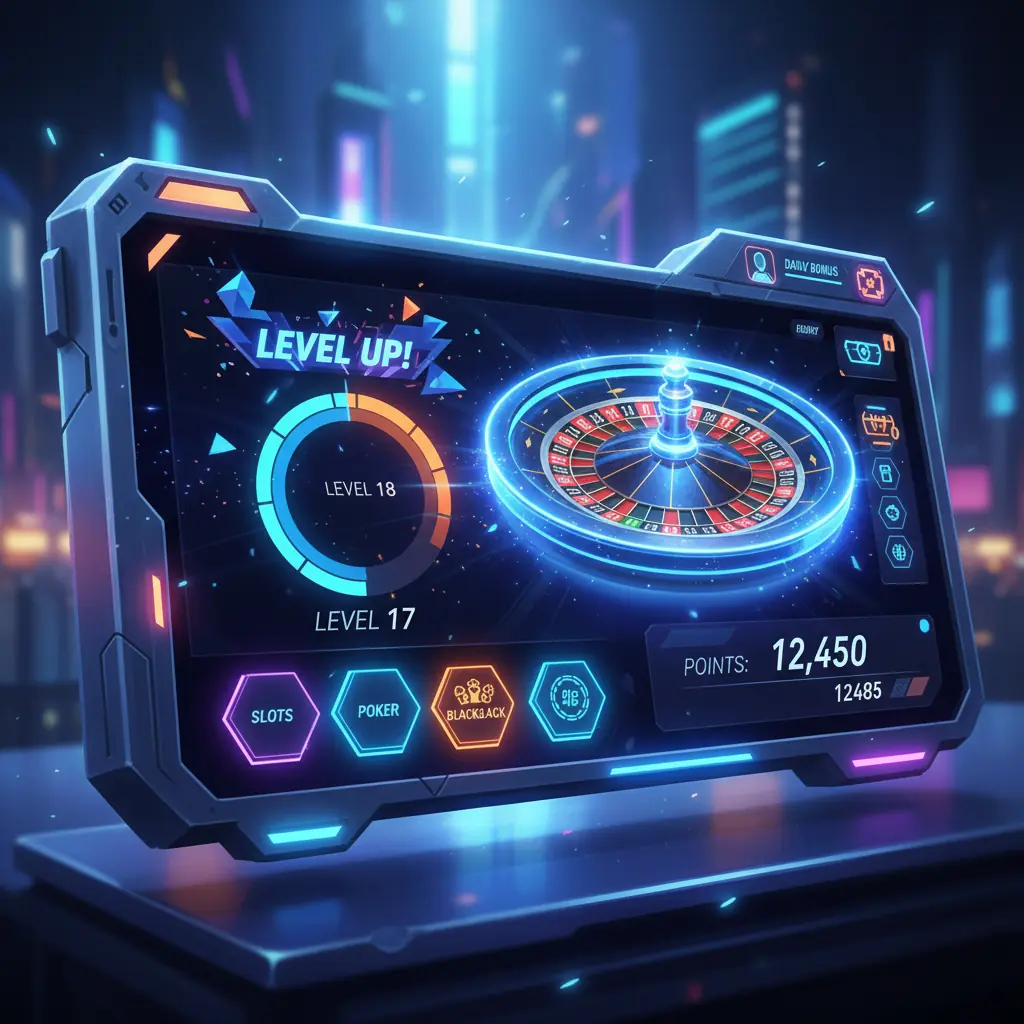
The clatter of coins and the spinning of reels have long defined the casino experience, but a new era is dawning. Casino gamification, the art of weaving game-like elements into traditional gambling platforms, is rapidly changing how players engage and, crucially, how long they stay. We’re no longer just talking about luck; it’s about a carefully crafted blend of entertainment and psychological triggers designed to maximize player engagement. The iGaming industry has seen a surge in gamified casinos, with some studies suggesting over 60% of online casinos now incorporate these features. This shift isn’t random; it’s a strategic move to tap into the innate human desire for progress, rewards, and a sense of control.
This article explores the fascinating realm of casino gamification. We’ll dissect the core principles of game design that casinos are now leveraging, delve into the psychological tactics employed to keep players hooked, examine practical examples of gamified casino features, and consider the evolving landscape of online casinos in light of these trends. Prepare to uncover the strategies transforming the modern casino experience and shaping the future of player engagement.
The Core Psychology of Gamification in Casinos
The allure of casinos, both physical and online, extends far beyond mere chance. Gamification strategies tap into fundamental psychological principles, creating an environment designed to captivate and engage players. Understanding these principles – operant conditioning, variable rewards, and the near-miss effect – provides insight into the persuasive power of casino experiences.
Operant Conditioning and Casino Rewards
Operant conditioning, a concept pioneered by B.F. Skinner, posits that behavior is shaped by its consequences. In simple terms, actions followed by positive reinforcement are more likely to be repeated. Casinos masterfully employ this principle. Every aspect is designed to reward players through different techniques such as loyalty points, complimentary drinks, discounts, creating positive associations and encouraging continued play.
The Power of Variable Rewards
Casinos do not give the same reward every time a player makes a move, and that is how they keep players hooked. The use of variable rewards keeps casino players in the game. The random nature of rewards makes the experience addictive.
The Near-Miss Effect and Illusion of Control
The ‘near-miss effect’ is a powerful psychological trigger. When a player almost wins, the brain interprets it as a sign that success is within reach, fueling the urge to keep playing, creating an illusion of control.

Key Gamification Mechanics in Casino Games
Casino games have become incredibly sophisticated, leveraging gamification mechanics to enhance player engagement and extend playtime. These techniques tap into fundamental aspects of player psychology, creating a more immersive and rewarding experience. The goal is to make the game more appealing and seemingly more rewarding than it is by adding a layer of progression and achievement. This leads to increased engagement and continued play.
Points, Leaderboards, and Badges
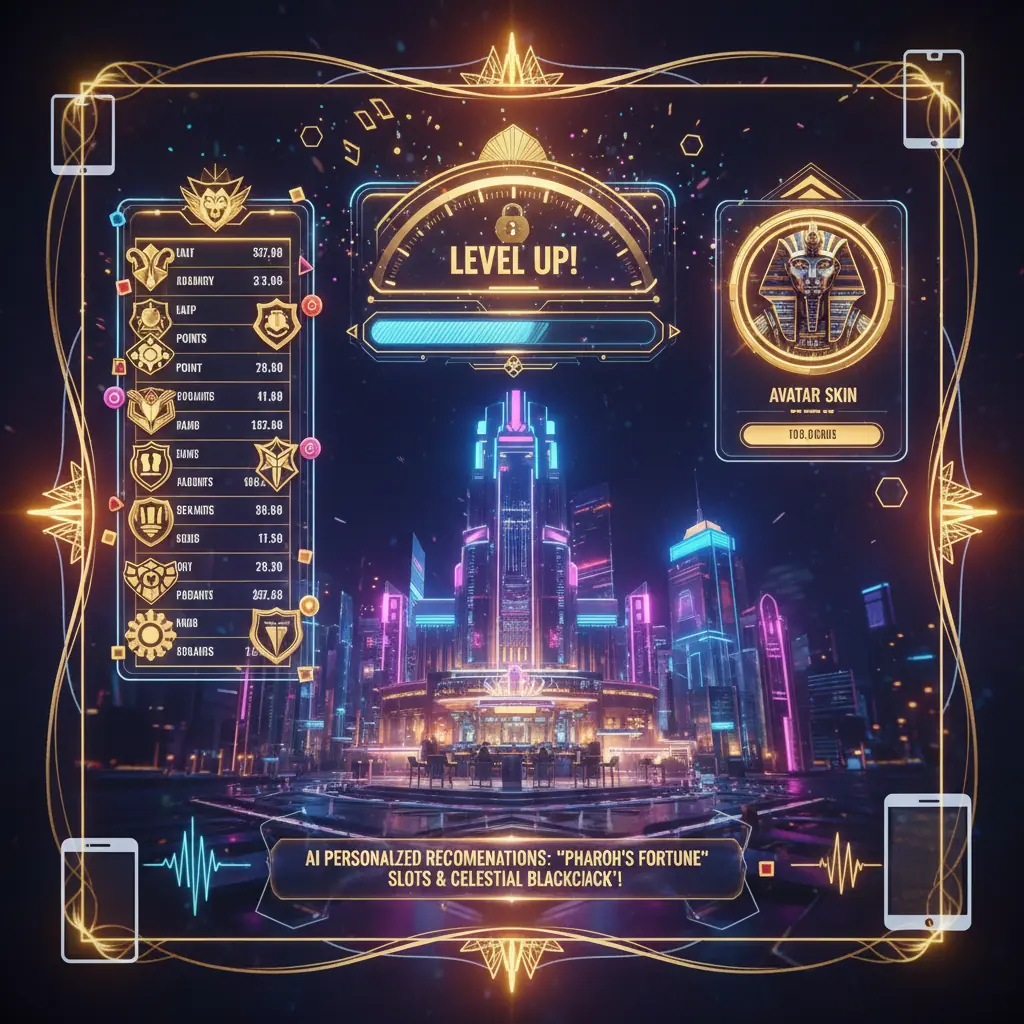
Online casinos use points, leaderboards, and badges to foster a sense of competition and accomplishment among players. Points are typically earned through gameplay, while leaderboards rank players based on their performance, and badges are awarded for achieving specific milestones or demonstrating certain behaviors. These elements enhance the player experience by providing recognition and status. Examples include badges such as ‘High Roller’, awarded for large wagers, ‘Lucky Streak’ for consecutive wins, or ‘Bonus Hunter’ for actively pursuing bonus rounds. These digital rewards cater to different player styles and preferences.
Progression Bars, Levels, and Unlockable Content
Progression bars, levels, and unlockable content create a tangible sense of advancement within a casino game. A filling progress bar provides direct feedback on a player’s progress towards a goal. Upon reaching a new level, players might unlock new games, features, or exclusive content. This system incentivizes continued play and investment in the game. The anticipation of unlocking a new feature or avatar skin is a powerful motivator, encouraging players to keep spinning, betting, or playing.
Visual and Audio Cues
Visual and audio cues are strategically employed in casino games to heighten excitement and anticipation. Bright flashing lights, celebratory animations, and upbeat sound effects accompany wins, creating a highly stimulating experience. The frequency and intensity of these cues can be carefully calibrated to maximize their impact on player psychology. However, some argue that casinos may abuse this system, employing certain frequencies and patterns to make the games more addictive. Visual and audio tricks are not directly gamification, but they are using to make casinos more addictive and attractive.
The Role of Technology in Advancing Gamification
AI-Powered Personalization
Artificial Intelligence, or AI, is rapidly transforming the online casino experience. By analyzing vast amounts of player data, AI algorithms can identify individual preferences, playing styles, and risk tolerances. This allows online casinos to offer personalized experiences, such as tailored game recommendations, custom bonuses, and dynamic difficulty adjustments. The ultimate goal is increasing player satisfaction and ensuring that each player feels valued and understood. By delivering content and offers that resonate with unique player profiles, AI enhances engagement and creates a more rewarding gambling environment. It’s not just about algorithms; it’s about leveraging technology to foster a deeper, more meaningful connection between the player and the game.
VR/AR for Immersive Casino Environments
Virtual Reality (VR) and Augmented Reality (AR) technologies are revolutionizing the online casino landscape, transporting players to incredibly immersive virtual environments. VR headsets allow players to step into realistic, fully-rendered casino floors, complete with interactive games, social spaces, and even virtual dealers. AR, on the other hand, overlays digital elements onto the real world, creating hybrid experiences where players can interact with virtual casino games from the comfort of their living rooms. These technologies are enhancing the thrill and attract players seeking realistic and engaging gambling experiences from the comfort of their homes. This move is not just bringing gambling to players, is turning gambling into a new era.
Mobile gaming platforms have played a significant role in the expansion of gamification within the casino industry. The convenience of playing casino games on smartphones and tablets has attracted a wider audience, including younger demographics who are accustomed to mobile gaming. Mobile casinos offer a range of features that enhance the gaming experience, such as push notifications for bonuses, integrated social features, and optimized touch controls. Furthermore, mobile gaming allows for shorter, more frequent gaming sessions, fitting seamlessly into busy lifestyles. As mobile technology continues to evolve, we can expect even more integration of gamification elements, further blurring the lines between traditional casino games and mobile entertainment.
Ethical Considerations: Balancing Engagement and Player Well-being
Gamification, while a powerful tool for boosting engagement, walks a delicate ethical tightrope. The very mechanics that make it so effective – the points, badges, leaderboards, and progress bars – can inadvertently push individuals toward compulsive behaviors, especially within the realm of online casinos and similar platforms. It’s essential to acknowledge that not everyone interacts with these systems in the same way, and some individuals are inherently more susceptible to developing harmful gambling habits. The challenge lies in crafting gamified experiences that are both captivating and conscientious, prioritizing player well-being alongside business objectives. The intention should always be harmless fun, with clear off-ramps and readily available support for those who need it. Ignoring these ethical dimensions can have serious consequences, leading to addiction, financial hardship, and significant damage to personal lives. Therefore, responsible game design, robust player protection measures, and a commitment to ethical principles must be at the forefront of any gamification strategy.
Responsible Gamification Strategies
Many features from the world of video games are used in gamification. For instance, points can be awarded for completing specific tasks within a casino app, like exploring a new game or setting a deposit limit. Leaderboards can introduce a competitive element, but need to be carefully implemented to avoid excessive pressure. Another, progress bars visually represent how close a player is to unlocking a reward or reaching a milestone. These strategies work by tapping into our innate desire for achievement and recognition. However, the key to responsible implementation is transparency and control. Players should always be aware of how the system works, what rewards are available, and what the potential risks are. Encouraging players to set time and spending limits, and prominently displaying responsible gambling resources, are very important in diminishing gambling harm.
Protecting Vulnerable Players
Online casinos have a responsibility to create barriers for people who are more likely to become addicted to gambling. This includes implementing robust age verification systems to prevent underage gambling, as well as providing self-exclusion programs that allow individuals to block themselves from accessing the platform. Another thing is that monitoring player behavior for signs of problem gambling, such as increased spending or chasing losses, is also essential. When such behavior is noticed, proactive intervention, offering support and directing players to resources dedicated to responsible gambling is also a good practice. Ultimately, protecting vulnerable players requires a multi-faceted approach that combines technology, education, and a genuine commitment to ethical conduct.
Future Trends in Casino Gamification
The casino industry is constantly evolving, and gamification is at the forefront of this transformation. Looking ahead, several key trends are poised to reshape the landscape, offering players more engaging and personalized experiences. These include the integration of novelties such as NFT casino games, the rise of social gaming features, and the incorporation of esports betting, all powered by advancements in blockchain technology.
Personalization will be paramount. Casinos will leverage data analytics to tailor game offerings, rewards, and even the user interface to individual player preferences. Imagine a casino that adapts its game recommendations based on your playing style or offers bonuses on games you’ve previously enjoyed.
Esports betting is also likely to get more traction as the industry caters to a younger demographic familiar with competitive gaming. This includes offering live streams of esports events, in-game betting options, and fantasy sports-style competitions.
NFT Casino Games
NFT casino games represent a fascinating intersection of blockchain technology and online gambling. These games utilize Non-Fungible Tokens to represent in-game assets, such as characters, items, or even virtual land. Imagine owning a unique digital slot machine or a one-of-a-kind poker chip that can be traded and used across different casino platforms. The appeal lies in true ownership and scarcity which could make NFT casino games increasingly popular. As players seek greater control and value from their virtual assets, NFT integration could become a standard feature in the online casino world.
The Rise of Skill-Based Casino Games
Traditional casino games are largely based on chance, but skill-based games are shaking things up. These games incorporate elements of strategy, puzzle-solving, or even arcade-style action, giving players more control over the outcome. This shift has significant implications for player decision-making. Instead of simply relying on luck, players must now analyze the game, develop strategies, and make calculated moves to increase their chances of winning. As skill-based games gain popularity, they will attract a new generation of players who are seeking more engaging and intellectually stimulating gambling experiences.